

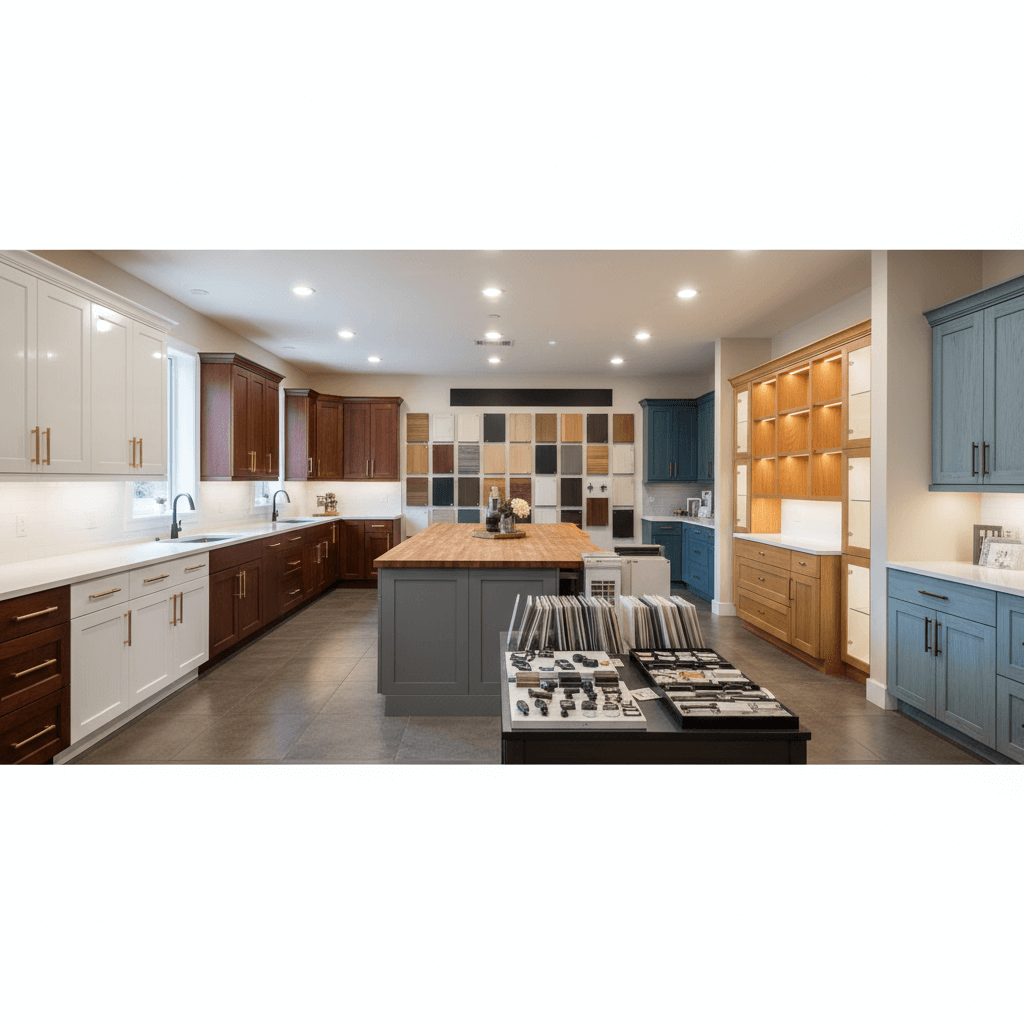
Kitchen Remodeling Cabinet Options
Choosing the right cabinets is one of the most important decisions in a kitchen remodel. Cabinets determine storage capacity, traffic flow, visual style, and long term value. When you weigh the many options available today you gain better control of cost, function, and the final look of the room.
This article walks through practical cabinet options and real world trade offs. You will find clear examples, tips for budgeting, and a simple framework to compare material, style, and construction so you can decide with confidence.
Kitchen Remodeling Cabinet Options to Consider
When planning a cabinet upgrade start with the goals for the space. Common objectives include increasing storage, creating a focal point, improving durability, or changing the color palette. Once goals are clear compare three primary decision areas material, construction, and layout. Each choice affects price and how long the cabinet set will stay useful.
Popular cabinet materials and their benefits
Material affects cost and durability more than style. Here are the most common materials and what they mean for a remodel.
- Solid wood A traditional option with strong longevity. Hardwoods such as maple, oak, and cherry offer natural grain and can be sanded and refinished. Expect higher price but long lifespan when exposed to normal kitchen use.
- Plywood boxes An industry standard for cabinet boxes. Plywood resists warping and holds hardware screws well. It is a good midrange choice when combined with painted or stained faces.
- MDF faces and painted finishes Medium density fiberboard is smooth and stable for painted doors. MDF resists cupping better than solid wood in thin profiles but can swell if exposed to standing water.
- Thermofoil and laminate Cost effective and available in many colors and patterns. These are good for high gloss finishes or when budget limits material choices. Laminate edges should be inspected closely to avoid peeling over time.
- Metal and glass accents Used for accents rather than full cabinet bodies. Stainless steel is common in modern kitchens and offers excellent durability for areas near ovens or sinks.
Door styles and finishes that shape a kitchen
Door profile and finish set the visual tone of a kitchen. Choice here can be more impactful than the cabinet box material.
- Shaker A recessed panel with simple lines. Works well in both traditional and modern contexts.
- Slab A flat plain door for a streamlined look. It hides woodworking detail and emphasizes hardware and finishes.
- Raised panel Adds depth and formality to a kitchen. Often used in classic interiors.
- Glass inserts Break up heavy runs of cabinetry and let display items show through. Frosted glass hides clutter while clear glass offers display value.
Painted versus stained finishes
Painted finishes provide a uniform color and can make a small kitchen feel brighter. Stained finishes show wood grain and age gracefully. For high traffic areas select finishes that can tolerate cleaning and occasional touch ups.
Hardware and its influence
Handles and hinges affect ergonomics and style. Soft close hinges prevent slamming. Handle size matters for users with limited hand strength. Small details like hinge reveal and handle backplate change the perceived quality of the cabinets.
Storage solutions within cabinet systems
Good cabinetry does more than look nice. It reduces countertop clutter and speeds up meal prep. Consider these built in storage options to get the most from the same footprint.
- Pullout shelves Ideal for lower cabinets to keep heavy items accessible without bending into the back of the cabinet.
- Vertical dividers Great for baking sheets and cutting boards. They keep thin items upright and easy to retrieve.
- Deep drawers Replace some base cabinets with deep drawers for pots and pans. Drawers provide better visibility and easier reach.
- Corner solutions Lazy susans and pullout corner units reclaim wasted space and make corner storage usable.
- Integrated cutlery and spice trays Shallow drawers near the prep zone speed up workflow and keep counters clear.
Appliance integration tips
Plan cabinet space around major appliances. If you plan a built in fridge or under counter refrigerator double check exact clearances and door swing. Panel ready appliances take more precise measurements but provide a seamless look.
Comparing stock, semi custom, and custom cabinets
Most budgets fall into one of three categories. Choosing the right category reduces surprises during installation.
- Stock Pre manufactured and ready to buy. Fastest lead time and lowest cost. Limited sizes and finishes. Good when layout is simple and budget tight.
- Semi custom Offers a range of sizes and options like extra drawers or special finishes. Lead times are moderate and price sits between stock and custom.
- Custom Built to exact sizes and design details. Best for unusual layouts, period homes, or when a distinct look is required. Higher cost and longer lead time but minimizes on site modifications.
Choose stock for quick projects where room dimensions match cabinet modules. Select semi custom when you want more design flexibility without the full cost of made to order. Pick custom when measurements are unusual or architectural features demand precise work.
Budgeting and planning for cabinet replacement
Cabinet cost varies widely by material and build. A practical budget approach divides total cabinet cost into three parts material faces and hardware installation. Here are typical ranges to help frame estimates.
- Entry Basic stock cabinets with laminate or thermofoil doors. Lower upfront cost but shorter lifespan.
- Midrange Plywood boxes with painted or stained faces and upgraded hardware. Most homeowners find this range balances cost and longevity.
- High end Solid wood faces or custom built units. Expect higher labor and material costs but minimal future modification.
Factor installation labor into the budget. Labor includes removal of old units leveling new boxes finishing and installing hardware. Allow for a contingency percentage to cover unexpected framing or plumbing adjustments when walls open up.
How to choose a local cabinet maker in Orlando
Selecting a local professional affects timeline and final quality. Look for examples of recent projects and ask for references from prior clients. A local shop can visit the site measure and offer design suggestions that align with local building codes.
One place to review services and options is Orlando Custom cabinet where you can see a range of cabinet solutions and examples of completed kitchen work. Meeting in person with a shop representative helps set expectations for lead times finish options and installation approach.
Common pitfalls and how to avoid them
Even experienced homeowners make predictable mistakes. Here are simple ways to reduce risk.
- Skipping mockups Full size door or drawer front samples reduce regret. A small sample of paint and hardware in your kitchen under real light is invaluable.
- Under measuring Measure at multiple heights and account for trim baseboards and tile thickness. If uncertain hire a professional measurer before ordering.
- Ignoring workflow Place storage where tasks happen. Keep dishes near the dishwasher and prep tools near the main work surface.
- Overlooking ventilation Cabinets around range hoods and microwaves need proper clearances and non combustible materials where required.
Maintenance and long term care tips
Proper care extends cabinet life and keeps finishes attractive. Wipe spills promptly with a damp cloth then dry. Avoid abrasive cleaners that can remove finish. Tighten hinges and handle screws annually and lubricate drawer slides when they begin to feel rough.
Small repairs such as replacing a hinge or re gluing a corner can prevent larger failures. Keep a spare touch up paint or stain from the project so chips blend with original finish if repairs are needed years later.
Deciding on kitchen cabinets is a combination of style preference and practical planning. Focus on materials that match household activity and pick storage options that reflect how you use the kitchen daily. When you plan with measured priorities you can balance cost and durability and avoid common mistakes.
Ready to move forward with cabinet choices or need a site visit to get accurate measurements and options? Call or email a local cabinet shop to arrange a consultation. Bring a simple sketch of the current layout a list of must have storage items and a budget range to get useful recommendations at the first meeting. A thoughtful selection process leads to cabinets that work well for daily life and stay attractive for years.