

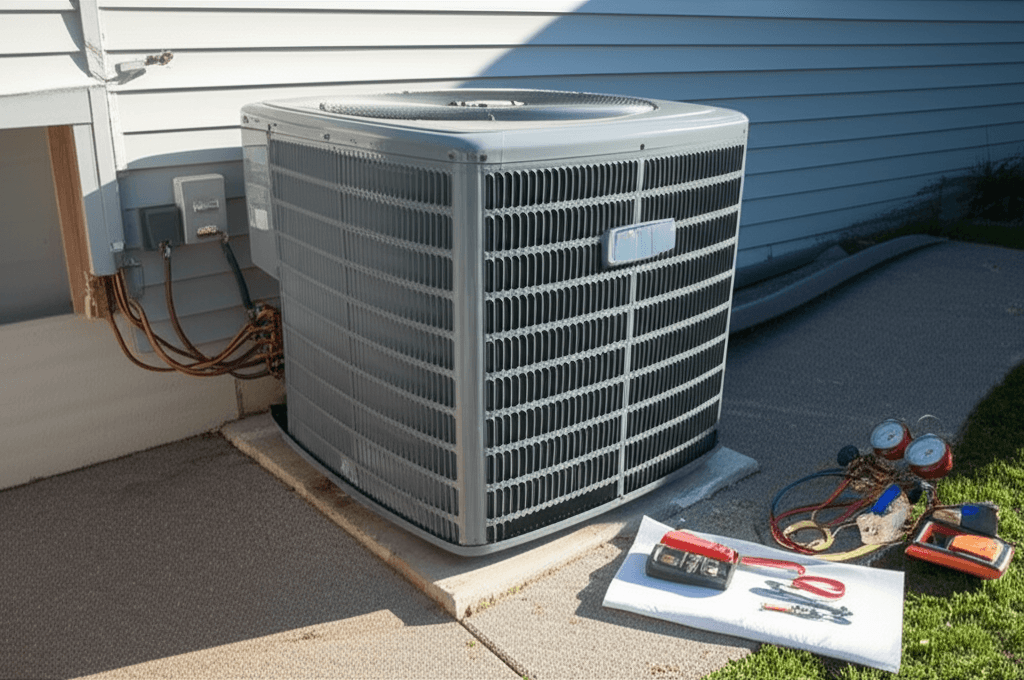
What HVAC Contractors Handle
Picking the right HVAC contractor means understanding what they do and how their work matches your home or business needs. Whether buying a new air conditioner, keeping a furnace in shape, or tracking down a weird sound from a rooftop unit, knowing the kinds of services offered lets you ask smart questions and size up bids without second-guessing. This helps avoid costly mistakes and makes sure the job gets done right the first time. Keep reading to unlock secrets that save money and headaches.
This article walks through common tasks HVAC companies perform, from installation to indoor air quality work. You will find practical examples, average service intervals, cost ranges for common jobs, and clear signs that a technician is doing a complete job rather than a quick patch.
What HVAC Contractors Handle and Why It Matters
At a basic level HVAC contractors install, maintain, and repair heating ventilation and air conditioning systems. The full scope often extends to indoor air quality improvements and controls work. Knowing the typical services gives you a framework to evaluate contractors and plan your budget.
For homeowners the difference between reactive repairs and regular maintenance can translate to higher energy bills and shorter system life. For small businesses HVAC downtime can affect operations and customer comfort. Contractors who provide a full suite of services help you avoid surprises and keep systems running through seasonal load swings.
Installation and System Replacement
Installing a new HVAC system is one of the most complex jobs a contractor handles. Proper installation affects efficiency lifespan safety and warranty validity. Good contractors perform load calculations select properly sized equipment and match system components such as air handlers coils and thermostats.
Examples of typical installation work
- Central air conditioning systems including condenser and evaporator coil placement
- Furnace replacement with proper flue and gas line work
- Heat pump installs including reversing valve and refrigerant charging
- Package units rooftop installations for commercial buildings
Cost factors to expect include system size efficiency rating and any duct repairs or electrical upgrades. A midrange residential central AC replacement in many U.S. markets often falls within several thousand dollars. Larger homes or multi stage high efficiency systems carry higher price tags.
Maintenance and Routine Tune Ups
Routine maintenance is where contractors provide ongoing value. Seasonal tune ups help systems run with less strain lower utility expenses and reduce the likelihood of mid season breakdowns. Typical maintenance visits include filter changes inspection of electrical connections lubrication of motors and verification of refrigerant levels.
How often and what to expect during maintenance
- Residential systems usually benefit from twice yearly checks one before cooling season and one before heating season
- Commercial systems with heavy duty schedules may require quarterly or monthly visits depending on hours of operation
- Maintenance reports should list findings and recommended repairs so you can prioritize spending
Repairs and Troubleshooting Common Problems
Repair work ranges from replacing a burned out contactor to diagnosing a system that cycles on and off. Contractors follow a logical troubleshooting path to isolate the underlying cause rather than treating symptoms. This approach prevents recurring failures and additional cost over time.
Common residential repair examples
- Compressor failures on older condensers
- Clogged condensate drains leading to system shutdown
- Ignition control problems on gas furnaces
- Thermostat wiring faults or sensor failures
What to expect when a technician troubleshoots
- Initial visual inspection followed by system start up and measurement of pressures voltages and temperatures
- Clear explanation of the cause with parts and labor estimate before work begins
- Testing after repair to confirm the problem is solved
Indoor Air Quality and Ductwork Services
Indoor air quality work often includes filtration upgrades humidifier or dehumidifier installs and duct cleaning or sealing. Many contractors will evaluate existing ductwork for leaks poor insulation and restrictive runs that reduce airflow and system efficiency.
Practical tips for air quality improvements
- Upgrading from a basic fiberglass filter to a higher efficiency pleated filter can reduce dust load on system components
- UV lights near the evaporator coil can limit biological growth in humid climates
- Duct sealing with approved mastics or mechanical fasteners limits conditioned air loss and improves comfort balance
Commercial HVAC Work and Specialized Projects
Commercial work often involves larger systems controls integration and code compliance. Contractors in this space commonly handle rooftop package units chillers cooling towers and building automation integration. Projects may require coordination with electricians plumbers and general contractors.
Specialized services to look for in commercial bids
- Detailed schematic and load documentation showing how new equipment meets building needs
- Phased installation plans that minimize business disruption
- Preventive maintenance agreements that include performance benchmarks and emergency response windows
How to Choose the Right HVAC Contractor for Your Project
Choosing a contractor is about matching services experience and local availability. Start by asking what warranties and service guarantees are offered for both parts and labor. Request references or recent project examples similar in scope to yours.
When you interview contractors ask whether they will perform load calculations inspect ductwork and provide a written timeline. A clear written proposal should list equipment models capacities and any required alterations such as electrical upgrades or refrigerant recovery work.
Red flags and positive signs during the bid process
- Red flag example that a bid lacks specifics or uses vague language about system sizing
- Positive sign when a contractor explains tradeoffs such as single stage versus multi stage systems and how those affect comfort and run time
- Look for technicians who carry diagnostic meters and explain test results in plain language
For homeowners in the Southlake area who want a local option with experience in residential and light commercial systems it makes sense to review contractor credentials and local customer reviews. One local provider that often appears in searches is Berkeys Southlake TX Air Conditioning Contractor which lists services and local contact options on its site.
Cost Considerations and Scheduling Expectations
Budget planning should include initial system cost regular maintenance and a reserve for unexpected repairs. A simple rule of thumb is to set aside a percentage of replacement cost each year for mid life repairs. For example setting aside one to three percent of current replacement value covers many common repairs as the system ages.
Scheduling expectations vary by season. Peak cooling months often mean longer wait times for installations and repairs. Booking maintenance visits just before seasonal peaks reduces the chance of long delays and spreads repair work into slower months.
Common Questions Homeowners Ask
How long should my system last Average lifespan depends on type and maintenance history. Properly maintained furnaces often run 15 to 20 years while central air conditioners typically last 10 to 15 years. Heat pumps usually fall within a similar range to air conditioners.
When should I replace rather than repair Consider replacement when repair costs exceed 50 percent of replacement value or if system failures occur frequently. Another reason to replace is a change in comfort needs for example adding living space that requires a larger capacity system.
What qualifications should I check Look for a contractor with local licensing and trade certifications. Ask about manufacturer training and whether the contractor performs refrigerant handling according to current environmental regulations. Insurance and worker coverage protect you from liability during installations.
Service agreements can be useful for predictable maintenance scheduling and often include priority emergency response and discounted parts. Compare what each agreement includes and the cost per visit before signing a multi year contract.
Choosing a contractor who communicates clearly and documents work reduces surprises and gives you a record to support warranty claims. Keep a folder of invoices service reports and manufacturer warranties for each major component for future reference.
When you need a new installation a routine checkup or a quick repair asking the right questions and knowing what to expect makes a big difference in outcome and cost. Use the guidance in this article to prepare for conversations with contractors and to make informed decisions that match your budget and comfort goals.
Ready to move forward If you want personalized recommendations start by scheduling a diagnostic visit with a licensed local company and compare the written proposals. A clear scope of work and a detailed estimate help you make a durable choice that fits your home or business. Reach out to a contractor for an on site assessment and a written plan that lists timelines parts and warranty details so you know exactly what will happen next.