

Safeguard Your Rural Home from Wildfire Damage
Living in a rural home offers a unique connection to nature. We cherish the peace and quiet and the wide-open spaces. But with this beauty comes a serious responsibility. We must be aware of the natural risks that come with country living. Wildfires are one of the biggest threats facing rural properties today and they can quickly turn dreams into ashes.
I have seen firsthand how devastating wildfires can be. The intense heat and rapid spread can destroy everything in their path. Preparing your home now is not just about protecting property. It is about safeguarding your family and your peace of mind. Taking proactive steps can make a real difference.
My goal here is to share practical and actionable advice. We will explore ways to protect your rural home from wildfire damage. These strategies are based on years of experience and expert recommendations. They can help you create a more resilient property.
Understanding the Wildfire Threat in Rural Settings
Rural homes are often nestled in landscapes rich with trees and vegetation. This natural beauty is also a source of fuel for wildfires. When a fire starts it can spread quickly through dry grasses shrubs and trees. This makes rural properties especially vulnerable to damage.
The factors that contribute to rapid fire spread are many. High winds can carry embers for miles ign starting new fires far from the main blaze. Low humidity and hot temperatures dry out vegetation making it highly flammable. Even a small spark can ignite a large area under these conditions.
Understanding these elements is the first step in effective preparation. We need to think about how fire moves. We must also consider how our homes and landscapes interact with that movement. Early preparation is not an option for us it is a necessity.
How Wildfires Advance
Wildfires advance in predictable ways. They spread through direct flame contact and radiant heat. They also spread through flying embers. These embers are often the cause of homes catching fire even if the main flame front is still some distance away. Embers can land on roofs in gutters or on flammable materials close to your house.
I always emphasize that understanding ember spread is crucial. This is because embers can travel much further than direct flames. They can ignite multiple points on a property simultaneously. This means a fire can be impacting your home before you even see the main wall of flames approaching.
Local Conditions Matter
Every rural area has its own unique fire risks. Some regions have dense forests. Others have vast grasslands. The type of vegetation and local weather patterns play a huge role. I always advise people to learn about the specific fire dangers in their local area. This includes understanding the fire season and any historical fire activity.
Local fire departments and forestry services are great resources. They can provide specific guidance. They often have maps and information about fuel types around your home. We can use this information to tailor our protection efforts. This makes our strategies much more effective.
Creating a Defensible Space Around Your Home
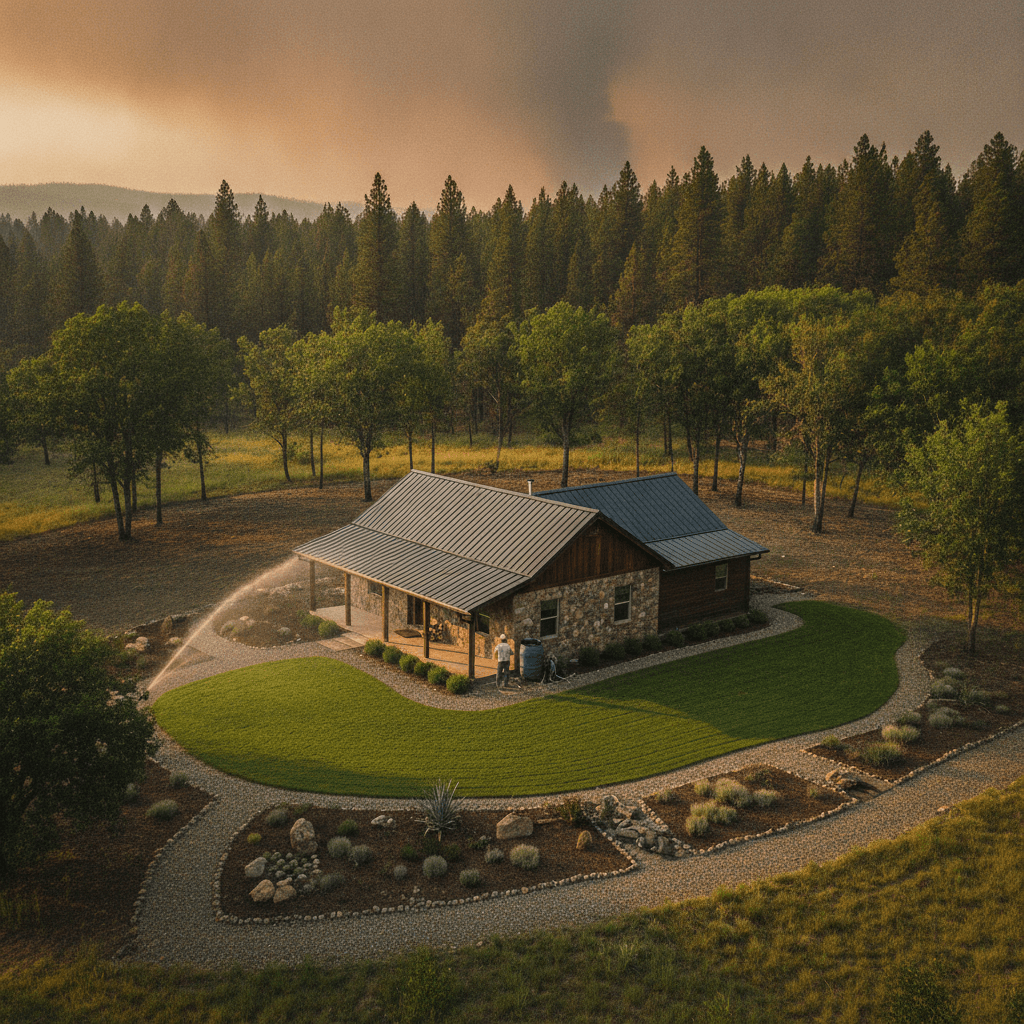
Creating a defensible space is the single most effective way to safeguard your rural home from wildfire damage. This involves modifying the landscape around your property. It reduces the amount of flammable vegetation and materials. I break this space into distinct zones each with specific maintenance goals.
The goal is to slow down or stop a wildfire before it reaches your house. This also protects firefighters who might be defending your property. A well-maintained defensible space improves the chances of your home surviving a wildfire. It also gives emergency personnel a safer area to work in.
Zone 1: Home Ignition Zone
This zone extends from 0 to 5 feet from your home. This is the most critical area. It is where embers are most likely to ignite your house. I recommend removing all flammable materials from this area. This includes dry leaves pine needles and any dead vegetation. You should also ensure there is no wood mulch or shrubs directly touching your home’s foundation.
Items like firewood piles or propane tanks must be moved out of this zone. They are significant fuel sources. Any outdoor furniture should be non-combustible or moved inside during high fire danger. Keeping this zone clear creates a fire-free buffer. It dramatically reduces the chance of home ignition. I find this zone needs the most frequent attention to stay effective.
Zone 2: Reduced Fuel Zone
The second zone spans from 5 to 30 feet from your home. Here the focus is on reducing fuel and creating breaks in vegetation. I suggest thinning out trees and shrubs. Make sure there is adequate space between them. This prevents fire from spreading from one plant to another.
Trim tree branches so they are at least 10 feet from other trees and from your roof. Remove any ladder fuels. These are low-lying vegetation that allow fire to climb into taller trees. Keep grasses mowed short in this zone. Use fire-resistant plants when landscaping here. It is about smart design and consistent upkeep.
Fire-Resistant Building Materials and Home Hardening
Beyond creating defensible space the materials your home is built with also play a big part. Home hardening means using fire-resistant materials and designs. This helps your home withstand embers and radiant heat. I have seen homes with hardened exteriors survive while neighboring properties were lost.
The building choices you make can be crucial. Upgrading your roof siding and windows offers significant protection. It is an investment that pays off when a wildfire threatens. These changes create a stronger barrier against flames and sparks.
Roofs and Vents are Key Vulnerabilities
Your roof is the most vulnerable part of your home to embers. I always recommend fire-resistant roofing materials. This includes Class A rated shingles such as asphalt fiberglass metal or tile. These materials resist ignition from embers.
Vents in attics and foundations are also entry points for embers. I advise installing fine mesh screens over all vents. Screens should be 1/8 inch or smaller to block embers. This simple step can prevent embers from getting inside your home and igniting it from within. Many older homes are not properly equipped against this threat.
Exterior Walls and Decks
The siding material of your home also matters. Stucco fiber cement and treated wood are more fire-resistant than untreated wood siding. I also recommend enclosing the undersides of decks with fire-resistant materials. Decks can become fuel traps especially if flammable materials are stored beneath them.
Window protection is important too. Embers can crack single-pane windows allowing flames to enter. Dual-pane tempered glass windows offer better protection. Keeping the area under and around decks clear of leaves and debris is also crucial. This removes potential fuel sources right where they can do the most damage.
Essential Landscaping Practices for Fire Safety
Thoughtful landscaping can be a powerful tool in wildfire protection. It is not just about clearing everything away. It is about smart choices for plants and their placement. I encourage homeowners to create a landscape that is both beautiful and resilient. This approach blends aesthetics with safety.
Choosing the right plants means selecting those that are less likely to ignite and burn intensely. Their moisture content and chemical composition are key factors. Proper irrigation and maintenance also contribute to their fire resistance. We need to think of our landscape as a fire buffer.
Choosing Fire-Resistant Plants
Some plants naturally resist fire better than others. These often have high moisture content. They also lack volatile oils or resins. I look for plants with broad fleshy leaves and those that grow low to the ground. Succulents and certain deciduous shrubs are good examples.
Avoid planting highly flammable species near your home. These include junipers certain pines and eucalyptus. These plants contain oils that can ignite easily and burn very hot. Replacing them with fire-resistant alternatives is a wise long-term strategy for any rural property owner. This small change makes a big impact.
For more detailed information on creating an effective defensible space and choosing appropriate plants you can see the full guide.
Strategic Placement of Vegetation
The layout of your landscaping is as important as the plants themselves. I recommend creating zones with varying levels of fire resistance. This forms a series of increasingly protective buffers around your home. Place the most fire-resistant plants closest to the structure.
Create breaks in vegetation using pathways patios or gravel beds. This prevents fire from spreading continuously. Prune trees to remove low-hanging branches. This reduces ladder fuels. Design your landscape to direct fire away from your home. These strategic choices enhance overall safety.
Emergency Planning and Evacuation Strategies
Even with excellent preparation a wildfire can still threaten your home. So having a clear emergency plan is vital. This plan should cover communication routes and evacuation procedures. It needs to be understood by everyone in your household. I believe that a well-practiced plan saves lives.
Do not wait until smoke is in the air to think about what to do. Plan ahead. Talk with your family. Make sure everyone knows their role and the steps to take. This readiness reduces panic and improves safety during a crisis.
Your Emergency Go-Bag
Every household should have an emergency kit or “go-bag.” This bag contains essential items you would need if you have to evacuate quickly. I suggest including copies of important documents like insurance policies and identification. You should also pack prescription medications and a first aid kit.
Non-perishable food water and a battery-powered radio are also crucial. Do not forget chargers for your mobile phones. Keep this bag in an easily accessible place. Check its contents regularly to ensure everything is current and usable. This simple bag can be a lifesaver.
Communication is Critical
Establish clear communication methods with your family and neighbors. Designate an out-of-area contact person. This person can be a central point for family members to check in with. This is helpful if local communication lines are down. I also advise signing up for local emergency alerts. These alerts provide timely information about fire incidents and evacuation orders.
Know your evacuation routes in advance. Have primary and secondary routes planned. Practice driving them. This ensures you know the way even in stressful situations. Staying informed and connected helps everyone remain safe during an emergency.
Ongoing Maintenance and Community Involvement
Protecting your rural home from wildfire damage is an ongoing process. It is not a one-time task. Regular maintenance is key to keeping your defensible space effective. We also benefit greatly from working with our neighbors and local community.
Wildfires do not respect property lines. So a community-wide effort is much stronger than individual actions alone. By working together we can create a much safer environment for everyone. This shared responsibility builds resilience.
I recommend establishing a schedule for seasonal checks. Clear gutters of leaves and debris every fall and spring. Mow dry grasses regularly during fire season. Inspect your property for any new fuel hazards. Small efforts throughout the year prevent large problems later. It takes consistent effort but the safety it provides is invaluable.
Final Thoughts on Protecting Your Rural Property
Safeguarding your rural home from wildfire damage demands vigilance and proactive measures. We have discussed the critical steps you can take. These steps include understanding the specific threats your location faces. They also include creating a robust defensible space around your home. We looked at investing in fire-resistant building materials. Thoughtful landscaping practices are also vital. Developing a clear emergency and evacuation plan is essential for your family’s safety. Finally we touched on the importance of ongoing maintenance and community collaboration.
I cannot stress enough that these actions are not just recommendations. They are essential investments in the security and longevity of your rural property. Every step you take no matter how small contributes to a stronger more resilient home. It also protects your loved ones. Please start today by assessing your property’s vulnerability. Then begin implementing these strategies. We are all in this together and working collectively makes us all safer. Take action now to protect your slice of rural paradise.